Your Ultimate Hunting Guide
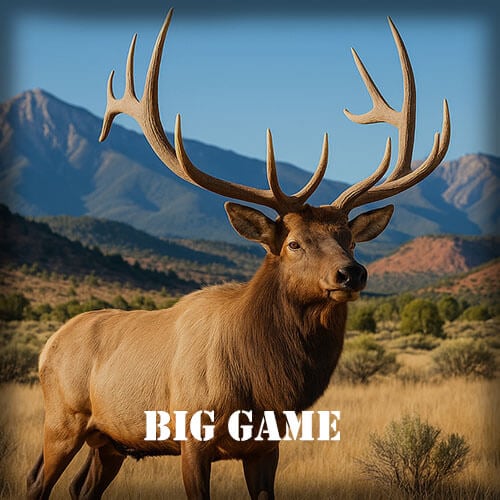
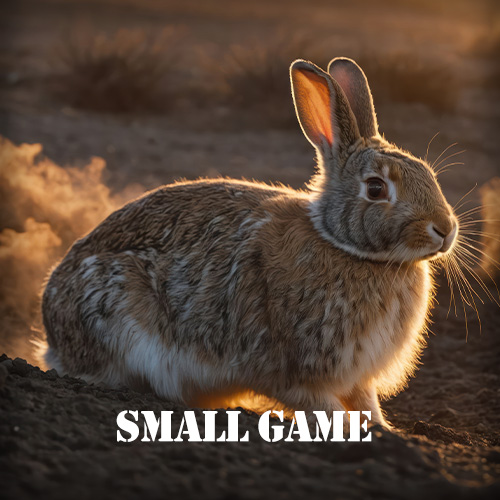
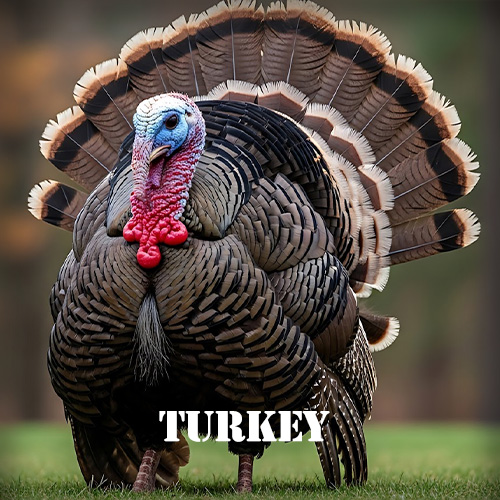
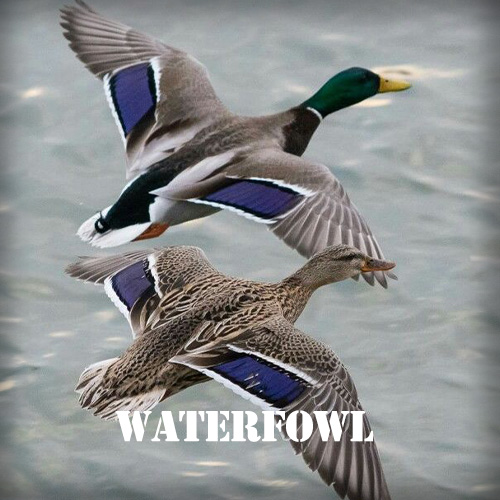
Hunting Categories
Be Ready for Your Next Hunt

At Ammunition Depot, we've assembled the most comprehensive selection of hunting ammunition, gear, and accessories so you're fully prepared from scouting to field dressing. Shop top brands, enjoy expert advice, and get fast, reliable shipping.
Your Ultimate Guide to Hunting Ammunition & Gear
Welcome to Ammunition Depot's comprehensive resource for hunting ammunition, hunting seasons, and must-have hunting gear.
Whether you're stalking deer in the forest, calling turkeys in spring, or setting up waterfowl decoys at dawn, choosing the right caliber and equipment is crucial for accuracy, ethical harvest, and overall success.
Our team of former game wardens and competitive shooters has compiled expert advice on:
- Caliber Selection: Compare popular hunting calibers like .243 Winchester, .270 Winchester, .30-06 Springfield, and 6.5 Creedmoor for everything from varmints to big game.
- Season Timing: Plan your outings with our interactive Hunting Seasons Calendar to know exactly when each species is in season in your region.
- Gear Essentials: From optics and calls to tree stands and field-dressing kits, discover the Pre-Season Essentials you need to stay safe, legal, and prepared.
- Safety & Regulations: Learn about federal and state requirements for background checks, safe ammo storage, and ethical hunting practices.
- Insider Tips: Get pro-level strategies for shot placement, scent control, and follow-up shots that make your hunt more effective.
We carry hundreds of rounds in every major and specialty caliber, including rifle cartridges .22 LR, .17 HMR, .223 Remington, .243 Winchester, .25-06 Remington, .270 Winchester, .308 Winchester, .30-06 Springfield, .300 Blackout, 6.5 Creedmoor, .300 Winchester Magnum, .338 Winchester Magnum, .375 H&H Magnum, .350 Legend, .450 Bushmaster, .44 Magnum, .45-70 Government, .30-30 Winchester and more.
For shotgun enthusiasts, choose from 12 gauge, 20 gauge, 10 gauge, .410 bore in both lead and steel-shot loads.
Hunting Essentials
Seasonal Strategies & Popular Calibers
Whether you’re glassing open plains for pronghorn, tracking whitetail through thick hardwoods, or waiting on a flight of late-season mallards, success in the field starts with pairing the right ammunition, caliber, and strategy to the hunt at hand.
Different game animals, terrains, and seasons demand thoughtful preparation, from caliber selection to timing your shot opportunities.
Modern hunters have an impressive range of options, from flat-shooting .223 Remington and .243 Winchester loads for varmints and predators, to versatile big-game staples like .270 Winchester, .308 Winchester, and .30-06 Springfield for deer, elk, and moose.
Shotgun hunters rely on carefully chosen birdshot, buckshot, or non-toxic steel and bismuth loads depending on waterfowl regulations and upland seasons.
Understanding bullet or shot construction, grain weight, muzzle velocity, and ballistic performance helps ensure ethical harvests and consistent accuracy across changing distances and conditions.
- Caliber & Load Selection: Match your ammunition to the species and season, lighter, fast-expanding bullets for small game and predators, controlled-expansion soft points or bonded bullets for medium game, and heavier, deeper-penetrating rounds for large or tough animals like elk, bear, or hogs.
- Concealment & Setup: Adapt your approach to the terrain and time of year by managing scent and wind, selecting effective tree stands or ground blinds, and using natural cover to remain undetected until the ideal shot presents itself.
- Seasonal Strategy: Plan hunts around seasonal patterns such as the whitetail rut, early-season archery opportunities, spring turkey breeding cycles, or late-season waterfowl migrations, while focusing efforts during peak movement periods like dawn and dusk.
By aligning your gear, caliber choice, and tactics with the game and season, you’ll be better prepared for a wide range of hunting scenarios and more confident when it matters most.
Frequently Asked Questions
QUESTION: When is the best time to go turkey hunting?
ANSWER: The best time for turkey hunting is during the spring and fall seasons, depending on local regulations. Spring hunting targets vocal gobblers during mating season, while fall hunting focuses on patterning flocks. Early morning and late afternoon are typically the most active times.
QUESTION: When is the best season for turkey hunting?
ANSWER: Spring is prime turkey hunting season, as gobblers are most vocal during mating time. Fall turkey hunting focuses more on patterning flocks and calling hens or jakes. Early morning and late afternoon hunts typically offer the highest activity levels.
QUESTION: What accessories do I need for a successful hunting trip?
ANSWER: Essential hunting accessories include a quality scope or optic, rangefinder, knife, binoculars, GPS or compass, headlamp, and scent control products. Depending on the terrain and game, other accessories like shooting sticks, calls, and game bags may also be necessary.
QUESTION: What gear do I need for turkey hunting?
ANSWER: Essential turkey hunting gear includes a turkey call (box, slate, or diaphragm), camouflage clothing, decoys, a comfortable turkey vest with a seat, and a shotgun with turkey-specific ammo. Optional gear includes a rangefinder, insect repellent, and a hunting blind.
QUESTION: Do I need camo for turkey hunting?
ANSWER: Yes, camouflage is critical for turkey hunting. Turkeys have excellent eyesight, so wearing camo that blends with your surroundings—especially covering your face and hands—greatly increases your chances of staying concealed and successfully calling in a bird.
QUESTION: What is upland hunting and how does it differ from waterfowl hunting?
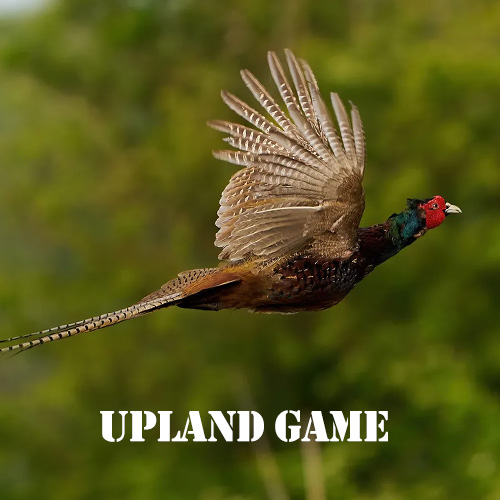
ANSWER: Upland hunting involves walking fields or woodlands in pursuit of birds like pheasants, quail, or grouse, often with the help of a dog. Waterfowl hunting typically involves ducks and geese hunted near water with decoys and calls. Upland hunters rely on quick, flush shooting, while waterfowlers use blinds and wait for birds to fly in.
QUESTION: What gear is essential for upland hunting?
ANSWER: Upland hunting gear includes a lightweight shotgun (20 or 12 gauge), blaze orange vest or hat, upland boots, brush pants, shooting gloves, and a game pouch. For dog handlers, GPS collars and hydration gear for the dog are also important.
QUESTION: What types of dogs are best for upland hunting?
ANSWER: Common upland hunting dog breeds include English Setters, German Shorthaired Pointers, Brittany Spaniels, and Labrador Retrievers. These breeds excel at pointing, flushing, and retrieving birds, depending on the type of upland game and terrain.
QUESTION: How do I choose the right hunting blind for different terrains?
ANSWER: The right hunting blind depends on your environment and game. Ground blinds are best for flat, open areas or turkey hunting. Elevated blinds work well in wooded or brushy areas for deer. Look for features like camouflage patterns, window placement, and scent control when choosing.
QUESTION: Are pop-up hunting blinds good for turkey and deer hunting?
ANSWER: Yes, pop-up blinds are versatile for both turkey and deer hunting. They offer quick setup, concealment, and portability. For turkey hunting, use blinds with mesh windows and low profiles. For deer, consider blinds with scent barriers and 360-degree visibility.
QUESTION: How can I stay scent-free inside a hunting blind?
ANSWER: To stay scent-free in a blind, wear scent-control clothing, use odor-eliminating sprays, and avoid eating or smoking inside. Store gear in scent-proof containers and enter the blind from a downwind direction. Keeping the blind clean and sealed also minimizes scent contamination.
QUESTION: How do I choose the right hunting ammo for my rifle?
ANSWER: Selecting the right hunting ammo depends on your rifle's caliber and the game you're hunting. Lighter-grain bullets are typically used for varmints, while heavier grains are preferred for big game. Always match your ammo with your rifle's chambering and consult ballistic charts to ensure optimal performance.
QUESTION: What is the best caliber for big game hunting?
ANSWER: For big game hunting, popular calibers include 270 Win, 30-06 Springfield, and 300 Win Mag. These cartridges offer excellent stopping power, flat trajectories, and versatility for hunting deer, elk, moose, and other large game. The best choice depends on the animal’s size, the hunting terrain, and your recoil tolerance.
QUESTION: What shotgun gauge is best for waterfowl hunting?
ANSWER: When it comes to waterfowl hunting, the 12 gauge remains the most versatile option thanks to its balance of power, shot pattern density, and availability of non-toxic shot options like steel or bismuth. Many hunters also choose 20 gauge for lighter recoil while still delivering effective ranges for ducks and geese.
QUESTION: Which calibers work best for varmint hunting?
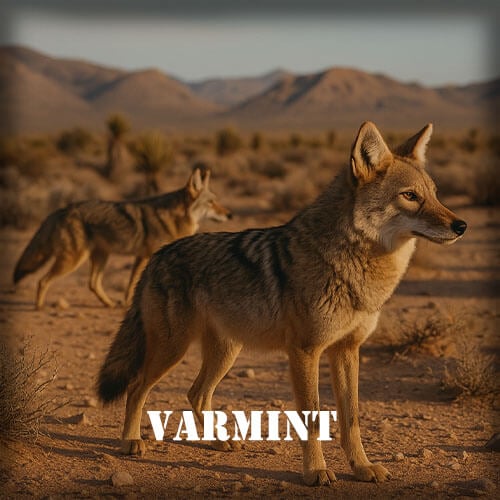
ANSWER: Varmint hunting often requires fast, flat-shooting calibers like .223 Remington, .22-250 Rem, or .204 Ruger. These rounds are ideal for long-range precision against coyotes, prairie dogs, and groundhogs while minimizing pelt damage and maintaining accuracy in windy conditions.
QUESTION: How do I choose the right hunting ammo for my game type?
ANSWER: Match your ammunition to the game size, hunting environment, and firearm. Use lighter-grain bullets for varmints and small game, medium-weight bullets for deer and antelope, and heavy-grain bullets for elk, moose, or dangerous game. Always verify your ammo is compatible with your rifle’s chamber and twist rate for optimal accuracy.
QUESTION: What is the best hunting rifle for beginners?
ANSWER: Choosing the best hunting rifle for beginners depends on the type of game and shooting experience. Bolt-action rifles are often recommended due to their simplicity, accuracy, and reliability. Popular calibers for beginners include .243 Win, .270 Win, and .308 Win, which offer manageable recoil and sufficient power for most game.
QUESTION: What’s the best rifle for small game hunting?
ANSWER: For small game hunting, rimfire rifles such as the .22 LR or .17 HMR are favorites due to their low recoil, affordable ammunition, and precision at shorter ranges. These calibers excel when targeting rabbits, squirrels, and similar-sized animals without excessive meat damage.
QUESTION: What rifle should I use for dangerous game hunting?
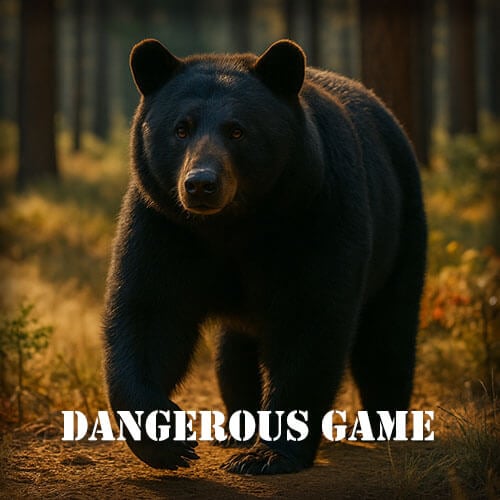
ANSWER: For dangerous game hunting such as cape buffalo, lion, or grizzly bear, high-powered calibers like .375 H&H Magnum, .416 Rigby, or .458 Lott are recommended. These big-bore cartridges provide the penetration and stopping power needed for large, potentially aggressive animals.
QUESTION: What is the ideal shotgun for upland hunting?
ANSWER: For upland bird hunting—including pheasant, quail, and grouse—many hunters prefer 20 gauge or 28 gauge over/under or side-by-side shotguns. These offer quick handling, light weight for long walks, and the right balance of pattern spread and range for fast-moving birds.
QUESTION: What’s the difference between bolt-action and semi-automatic hunting rifles?
ANSWER: Bolt-action rifles require manual cycling of the bolt for each shot, offering simplicity and precision. Semi-automatic rifles automatically cycle the next round after each trigger pull, allowing for faster follow-up shots. Bolt-actions are preferred for accuracy, while semi-autos offer speed in dense cover or for hog and predator hunting.
QUESTION: What's the best draw weight for beginner bow hunters?
ANSWER: The ideal draw weight for beginner bow hunters typically ranges from 40 to 50 pounds. This range offers a good balance of manageable draw force and sufficient kinetic energy for hunting medium-sized game. It's essential to match draw weight with physical strength and state regulations.
QUESTION: What’s the best draw weight for beginner bow hunters?
ANSWER: The ideal draw weight for beginner bow hunters typically ranges from 40 to 50 pounds. This range offers a good balance of manageable draw force and sufficient kinetic energy for hunting medium-sized game. It’s essential to match draw weight with physical strength and state regulations.
QUESTION: What kind of arrows should I use for bow hunting deer or turkey?
ANSWER: For deer, use carbon arrows with a spine suited to your bow's draw weight and broadheads that offer deep penetration—fixed or mechanical. For turkeys, consider broadheads with wider cutting diameters for better lethality on vital organs. Always ensure proper tuning and weight alignment for accuracy.
QUESTION: Is bow hunting legal in all states?
ANSWER: Bow hunting is legal in all U.S. states, but regulations vary by state. Each state sets its own archery seasons, licensing requirements, and equipment restrictions. Always check your state’s Department of Natural Resources or Fish and Game agency for up-to-date laws.