
What Is a Shotgun Silencer?
Shotgun silencers (also known as shotgun suppressors) are specialized firearm accessories designed to reduce muzzle blast, soften recoil, and improve overall shooting comfort on shotgun platforms.
Rather than making a shotgun “silent,” these devices work by managing and dispersing the large volume of expanding gases produced when a shotshell is fired, helping to lessen the sharp report and concussion associated with shotgun use.
The concept of suppressing firearm noise dates back to the early 20th century, when inventor Hiram Percy Maxim patented the first commercially successful firearm silencer in 1909.
While early suppressor designs primarily focused on rifles and pistols, the idea of applying sound and blast reduction to shotguns emerged later as materials, manufacturing techniques, and firearm technology advanced.
Shotgun silencers were developed to address the unique challenges of wide-bore barrels and high gas volume produced by shotshells, resulting in designs tailored specifically for shotgun platforms.
Today, shotgun silencers are most commonly used for hunting, sport shooting, and specialized range applications where reduced muzzle blast and recoil are beneficial.
Hunters value them for minimizing noise disturbance and improving comfort during extended time in the field, while recreational shooters appreciate the reduction in felt recoil and shooting fatigue.
As suppressor technology continues to evolve, shotgun silencers remain a niche but effective option for shooters seeking a more controlled and responsible shotgun shooting experience.
Shotgun Silencer Performance & Design
Shotgun silencers are engineered to manage the unique gas volume, recoil, and muzzle blast produced by shotshells while maintaining reliable performance across common shotgun platforms.
Unlike suppressors designed for single-projectile cartridges, shotgun silencers focus on dispersing large amounts of expanding gas to reduce blast and soften recoil rather than achieving extreme sound suppression.
Performance is influenced by factors such as gauge, barrel length, ammunition type, and silencer construction. Heavier loads and shorter barrels generate greater gas output, requiring robust internal designs to effectively manage pressure and reduce perceived blast.
Shotgun silencers can help improve shooting comfort by minimizing muzzle rise and felt recoil, making follow-up shots faster and more controlled during hunting or sport shooting.
From a design standpoint, modern shotgun silencers are built using durable materials like stainless steel and advanced alloys to withstand repeated use and high gas volumes.
Internal structures are optimized for wide-bore performance, while mounting systems are designed for secure attachment and compatibility with specific shotgun configurations.
Purpose-built for niche applications, shotgun silencers deliver improved comfort and control while preserving the reliability and performance of shotgun platforms.
Shotgun Silencers vs Other Suppressor Types
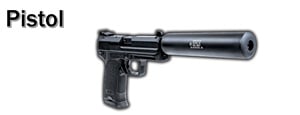
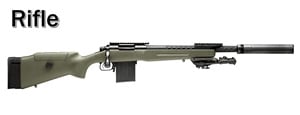
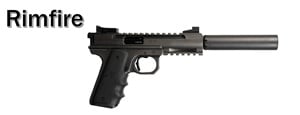
Shotgun silencers are designed to address the unique characteristics of shotgun platforms, which sets them apart from pistol, rifle, and rimfire suppressors.
Unlike rifle and pistol silencers that are engineered for high-velocity, single-projectile cartridges, shotgun suppressors must manage large volumes of expanding gases from shotshells while accommodating wider bore diameters and different mounting systems.
Compared to pistol silencers, shotgun suppressors do not require booster or Nielsen devices because shotguns typically use fixed barrels. Pistol suppressors are optimized for lower-pressure handgun calibers and semi-automatic cycling, while shotgun silencers focus on reducing muzzle blast and felt recoil from powerful shotshell loads.
When compared to rifle suppressors, shotgun silencers are built for lower-pressure but higher-volume gas output. Rifle suppressors emphasize extreme durability and heat resistance to withstand high-pressure, high-velocity rifle rounds, whereas shotgun suppressors prioritize gas dispersion and recoil management rather than maximum sound reduction.
Rimfire suppressors are lightweight and compact, designed for low-pressure calibers like .22 LR, and are often user-serviceable due to dirty rimfire ammunition.
Shotgun silencers, by contrast, are larger and more specialized, intended for niche applications such as hunting or sport shooting where reduced blast and improved shooting comfort are the primary goals.
While some suppressors are marketed as multi-caliber or multi-platform solutions, dedicated shotgun silencers deliver the best performance, safety, and reliability when used on shotgun platforms.
Choosing a suppressor designed specifically for shotgun use ensures optimal fit, effective blast reduction, and a better overall shooting experience.
Legal Requirements for Buying a Shotgun Silencer
Shotgun silencers are legal to purchase in many states but are regulated under the National Firearms Act (NFA).
To buy a shotgun silencer, you must be legally eligible to own firearms and reside in a state where suppressor ownership is permitted. Because laws can vary by state and locality, confirming your local regulations is an important first step before beginning the purchase process.
All shotgun silencers require approval from the Bureau of Alcohol, Tobacco, Firearms and Explosives (ATF). Buyers must submit an ATF application, complete a background check, provide fingerprints and photographs, and pay the required fees (if applicable).
Shotgun suppressors may be registered to an individual, a trust, or a legal entity, each offering different ownership and use considerations. Once approved, the shotgun silencer must remain registered to the approved owner and cannot be transferred or sold without additional ATF authorization.
While the process involves paperwork and waiting periods, owning a shotgun silencer is a lawful option for shooters who follow federal and state requirements. Understanding these legal guidelines helps ensure a smooth, compliant purchase and responsible long-term ownership.
Popular Brands
Finding the right shotgun silencer starts with choosing a manufacturer known for quality, innovation, and proven performance.
At Ammunition Depot, we carry many of the top silencer and suppressor brands trusted by hunters, sport shooters, and professionals alike. Our shotgun silencer selection includes options from industry leaders known for precision engineering and long-term reliability.
Banish suppressors are recognized for their lightweight construction and exceptional sound suppression. Built with premium materials such as titanium, Banish rifle silencers are designed for accuracy-focused shooters who want reduced recoil and easy maintenance.
Dead Air Silencers has earned a reputation for rugged construction and cutting-edge engineering. Their pistol silencers are designed to deliver consistent suppression, reliable cycling, and modular versatility across popular handgun calibers.
JK Armament is JK Armament specializes in modular suppressor systems that allow users to customize length, weight, and performance. Their innovative, user-configurable designs appeal to shooters looking for flexibility and easy maintenance.
SilencerCo. is one of the most established names in the suppressor industry, offering innovative rifle silencers with advanced baffle designs and broad caliber compatibility. Their focus on performance, durability, and user-friendly features makes them a popular choice among rifle owners.
Yankee Hill Machine is known for producing durable, value-driven suppressors without compromising performance. YHM rifle silencers deliver reliable sound reduction and robust construction, making them a solid option for high-volume shooters.
Choosing the Right Shotgun Silencer
Ammunition Depot makes suppressor ownership simple!
Our Silencer & Suppressor Information Hub covers everything from choosing the right suppressor for pistols, rifles, rimfire firearms, and shotguns to understanding suppressor legality and ATF paperwork.
Find the Suppressor/Silencer model you're looking for by entering the information fields below.